Pinkeye Management
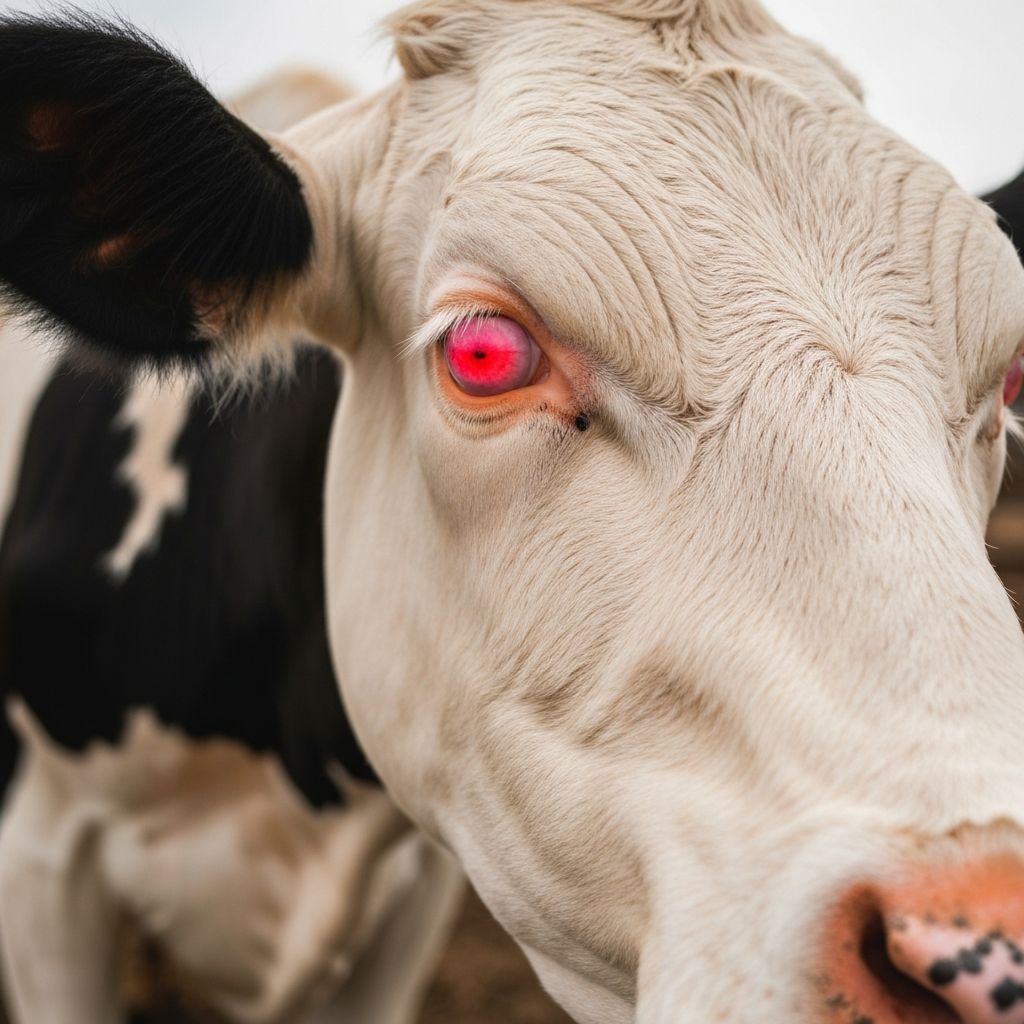
Infectious bovine keratoconjunctivitis (IBK), commonly known as pinkeye, is one of the most significant eye diseases affecting cattle worldwide. This bacterial infection, primarily caused by Moraxella bovis, can lead to severe economic losses through reduced weight gains, decreased milk production, and treatment costs. Understanding effective management strategies is crucial for maintaining herd health and productivity.
Early Detection
Early detection is paramount in controlling pinkeye outbreaks. Watch for symptoms including excessive tearing, squinting, light sensitivity, and the characteristic white or cloudy appearance in the center of the eye. As the disease progresses, ulceration and permanent corneal scarring can occur, potentially leading to blindness if left untreated.
Prevention Strategies
Prevention strategies focus on reducing fly populations, as face flies are the primary vectors for bacterial transmission. Implement comprehensive fly control programs including insecticide ear tags, pour-on treatments, and environmental management to minimize breeding sites. Maintaining adequate nutrition, particularly ensuring sufficient vitamin A levels, supports overall eye health and immune function.
Treatment Protocols
When outbreaks occur, prompt veterinary intervention is essential. Treatment typically involves long-acting antibiotics administered either systemically or as topical applications. Severely affected animals may require eye patches to protect damaged corneas and reduce light sensitivity during healing. Isolation of infected animals helps prevent disease spread within the herd.
Vaccination Options
Consider vaccination programs in herds with recurring pinkeye problems. While vaccines don't provide complete protection, they can reduce disease severity and occurrence rates. Consult with your REACH veterinarian to develop a comprehensive pinkeye prevention and management plan tailored to your specific farm conditions and herd risk factors for optimal results.